What are the 4 C’s of Montessori Teaching?
Montessori education is a child-centered learning approach developed by Dr. Maria Montessori that focuses on independence, hands-on learning, and respect for a child’s natural development. It encourages children to learn through exploration and real-life experiences in a prepared environment rather than relying on rote memorization. Montessori is a method that facilitates independent learning, where children are directed to discover knowledge at their own flow.
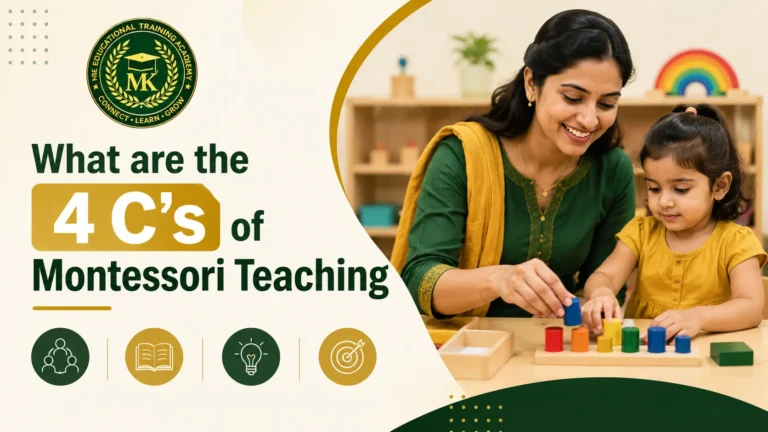
The 4 C’s of Montessori teaching—confidence, curiosity, concentration, and creativity—represent the core qualities nurtured in this approach. These principles help educators create meaningful learning experiences where children build confidence via independence, curiosity through exploration, concentration through hands-on work with Montessori materials, and creativity through open-ended activities, all aligned with the principles of Montessori education.
What is Montessori?
To define Montessori, it is an educational philosophy developed by Dr. Maria Montessori that focuses on independence, freedom within limits, and respect for a child’s natural psychological development. Instead of traditional rote learning, children learn through exploration, interaction, and self-directed activities.
The 4 C's of Montessori Teaching
The 4 C’s represent the key qualities that Montessori educators aim to nurture in every child. These principles support teaching methods and design the classroom.
Confidence
Confidence develops when children are allowed to make choices and complete tasks independently. Montessori teachers act as mentors, interacting learners to trust their abilities and learn from mistakes without fear.
Curiosity
Curiosity promotes learning in Montessori classrooms. Younger ones are naturally motivated to study subjects that interest them, ask questions, and participate deeply with their environment.
Concentration
Concentration is built through non stop work cycles and interactive activities. Precisely designed montessori materials help children focus on tasks for extended periods, strengthening attention span over time.
Creativity
Creativity thrives when children are given freedom embedded in the structure. Flexible exercises and problem solving tasks stimulate creative thinking and innovation in learning.
Montessori Materials in Learning:
Montessori materials are primarily designed educational tools that help children learn through experimental experience. These materials are feedback driven, allowing children to identify and fix mistakes independently.
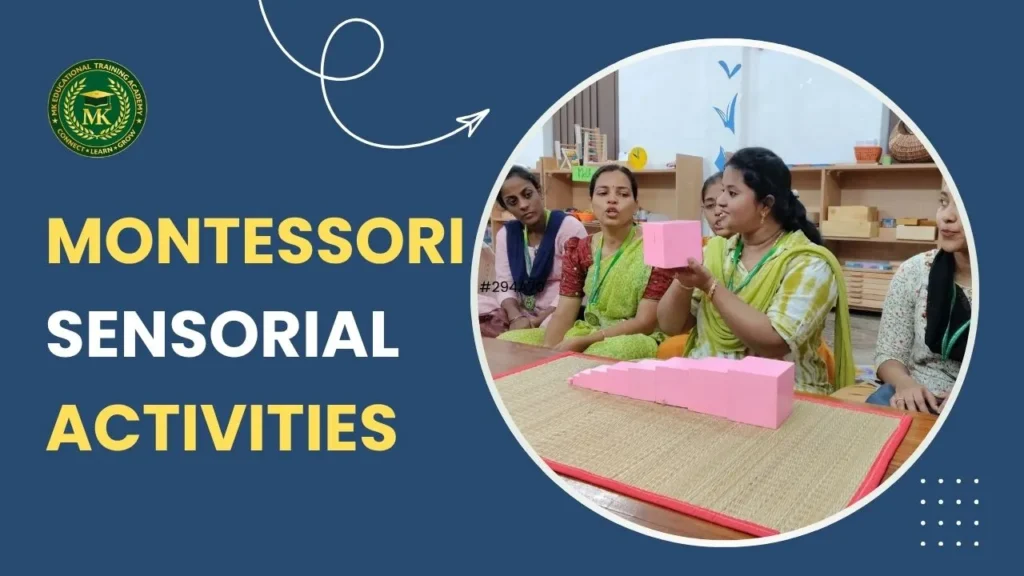
Examples include pink towers, bead chains, and sandpaper letters, which help develop sensory, mathematical, and language skills.
Principles of Montessori Education:
The Montessori teaching method is built on these core principles. These key elements include respect for the child, prepared environment, sensitive periods of learning, and proactive activity. Each principle ensures that the learners learn at their own tempo as it develops independence and responsibility.
Role of Educators in the 4 C’s Approach:
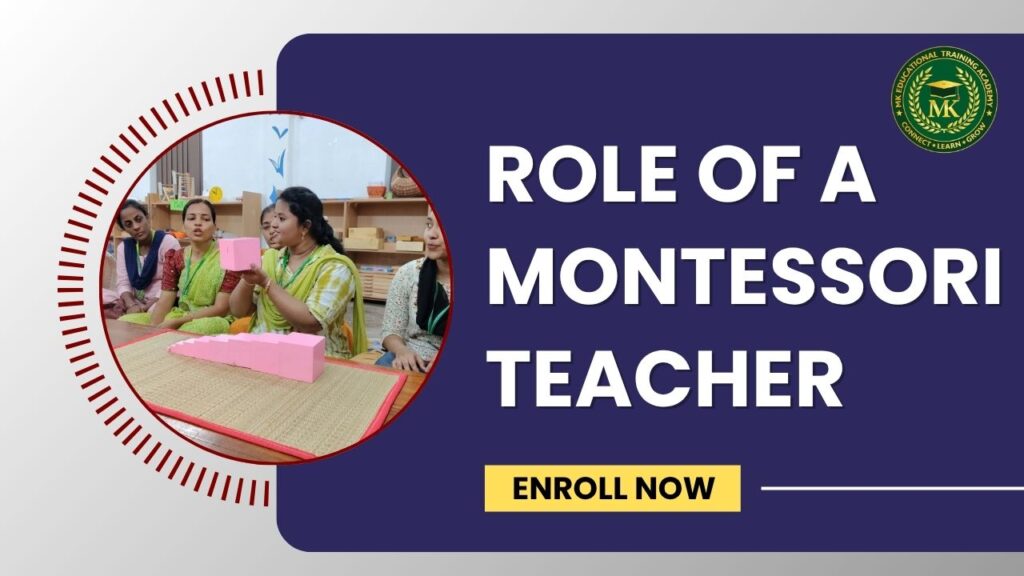
Montessori educators act as mentors compared to regular instructors. They monitor kids, support them when needed, and create an environment that supports exploration, independence, and holistic development.
Why to Join MK Educational Training Academy?
For aspiring educators who want to build a strong foundation in Montessori teaching, MK Educational Training Academy in Chennai provides the right platform to begin their journey. The academy provides structured training Montessori programs, that help future teachers to understand Montessori philosophy, classroom practices, and effective use of Montessori materials.
With a focus on practical learning and real classroom exposure, trainees gain confidence in applying the principles of Montessori education effectively. By joining MK Educational Training Academy, educators can develop the skills needed to nurture the 4 C’s—confidence, curiosity, concentration, and creativity—in young learners and build a successful career in early childhood education.
Frequently Asked Questions
The 4 C’s are confidence, curiosity, concentration, and creativity, which help guide Montessori teaching practices.
Montessori defines learning as a natural, self directed process where children learn best through hands-on experiences and exploration.
They help children to understand theoretical concepts using physical interaction and adaptive activities.
These principles contain respect for the children, learning ready environment, freedom within limits, and independent learning.
Teachers guide rather than instruct, allowing children to discuss, focus, and build confidence via structured freedom.
Conclusion:
The 4 C’s of Montessori teaching play a vital role in shaping a child’s early learning journey. When combined with the use of Montessori materials and the strong foundation of the principles of Montessori education, they create a nurturing environment where children learn with independence, joy, and purpose.
Montessori educators who apply these concepts properly help children to develop essential life skills that go beyond academics and support overall personality growth.
To begin your journey as a trained Montessori educator, you can register with MK Educational Training Academy. The academy facilitates professional Montessori training programs curated to train you with practical knowledge, classroom strategies, and a deep understanding of Montessori methods, helping you build a rewarding career in early childhood education.